With growing concern over the impact of packaging on the environment, the question of whether PE stretch film can be considered a sustainable option has become increasingly important. This article explores the debate surrounding the biodegradability of PE stretch film and provides valuable information for readers. Did you know that over 8 million tons of plastic end up in our oceans each year?
PE stretch film is not biodegradable, as it is made from petroleum-based materials that do not break down naturally in the environment. However, advancements in technology are making it possible to create biodegradable options, such as those made from biodegradable polymers or with additives that promote biodegradation. These options offer a more sustainable alternative to traditional PE stretch film.
This article will dive deeper into the pros and cons of biodegradable PE stretch film, as well as the advancements in technology that are making it a more viable option for businesses and consumers.
1. Definition of PE stretch film
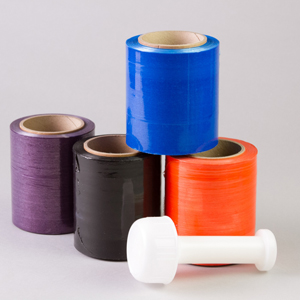
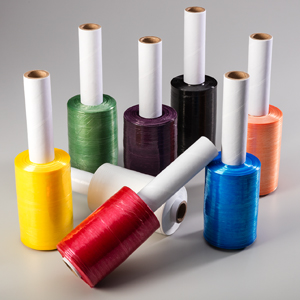
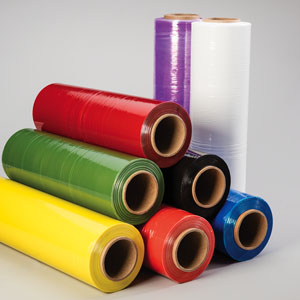
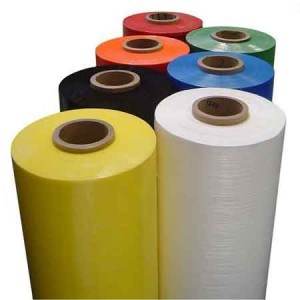
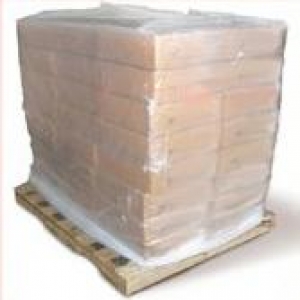
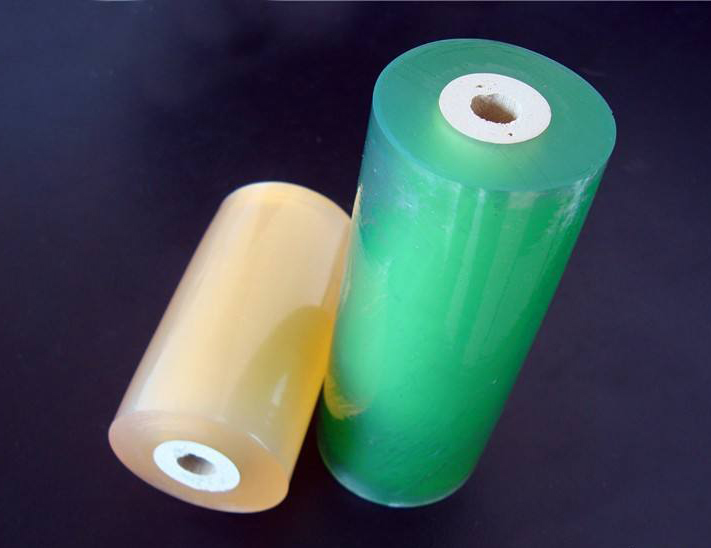
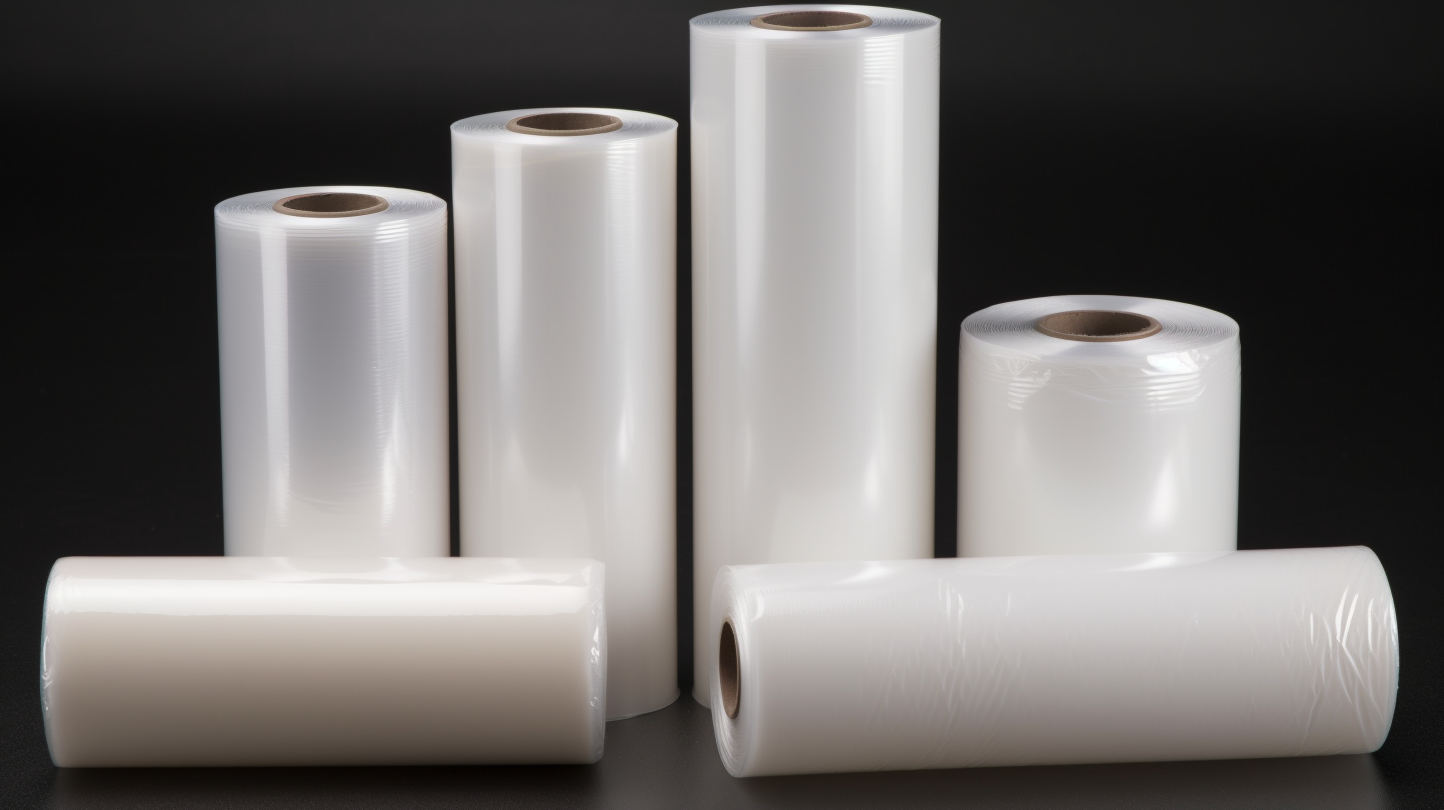
PE stretch film is a widely used packaging material made from polyethylene (PE) polymer. It is a highly stretchable plastic film that is designed to wrap and secure products together for transportation and storage. PE stretch film is commonly used in the manufacturing, retail, and transportation industries to protect products during shipping and handling.
PE stretch film is produced using a manufacturing process known as blown extrusion. The process involves extruding molten polyethylene through a circular die to produce a thin film. The film is then stretched and cooled to enhance its strength, flexibility, and transparency.
PE stretch film comes in various grades and thicknesses, depending on the intended use. The film can be clear or opaque, with the most common thicknesses ranging from 8-30 microns. The thicker the film, the more strength and puncture resistance it has.
PE stretch film offers many benefits as a packaging material. It is easy to apply and remove, which helps to save time and reduce labor costs. The film has excellent puncture resistance, which protects products from damage during transit. Additionally, it provides a secure and tight wrap around products, which prevents shifting or movement during transportation.
PE stretch film is also environmentally friendly. It is 100% recyclable and can be reused multiple times, which reduces waste and helps to conserve resources. Furthermore, PE stretch film is free from harmful chemicals, making it safe to use for food packaging.
2. Advantages of PE Stretch Film
| Advantage |
Description |
| Cost-effective |
PE stretch film is an affordable option for wrapping and securing loads. |
| Versatile |
The film can be used to wrap a variety of items, including irregularly shaped loads. |
| Excellent elasticity |
The film has good stretchability, which allows it to conform to the shape of the load and provide optimal containment force. |
| Transparent |
The film is transparent, which allows for easy inspection of the load without the need to unwrap it. |
| Protects from dust and moisture |
The film can provide a barrier against dust and moisture, which can help to protect the load during transport or storage. |
| Lightweight |
The film is lightweight, which makes it easy to handle and reduces the overall weight of the load. |
| Recyclable |
PE stretch film can be recycled, which makes it an eco-friendly option. |
| Easy to apply |
The film can be easily applied by hand or with the use of a machine. |
| Reduces damage |
The film can help to reduce damage to the load during transport by providing extra stability and protection. |
| Improves efficiency |
The use of stretch film can help to improve the efficiency of the wrapping process, which can save time and labor costs. |
1.Durability:
PE stretch film is known for its durability, making it an excellent choice for protecting products during transit or storage. It has excellent puncture resistance, which means that it can withstand sharp objects or corners without tearing. It is also resistant to moisture, which helps to prevent damage from moisture-sensitive products. The film’s durability also makes it ideal for heavy-duty applications, such as wrapping pallets or large items. Additionally, PE stretch film is easy to handle, which reduces the risk of damage during application or removal.
2.Strength:
PE stretch film is also known for its strength, making it a reliable packaging material for protecting products. It has excellent tensile strength, which allows it to stretch and wrap products tightly without breaking. The film’s strength also means that it can withstand the rigors of transportation and storage, reducing the risk of damage or breakage. Additionally, its strength allows for a more secure wrap, which prevents shifting or movement during transit.
3.Cost-effectiveness:
PE stretch film is a cost-effective packaging material that offers excellent value for money. It is easy to apply, which reduces labor costs and saves time. Additionally, the film’s strength and durability mean that it can be reused multiple times, reducing the need for frequent replacements. PE stretch film is also lightweight, which reduces shipping costs and makes it more environmentally friendly. Its cost-effectiveness makes it an ideal choice for businesses that need to protect products during transit or storage without breaking the bank.

3. Disadvantages of PE Stretch Film
| Disadvantage |
Description |
| Limited load stability |
PE stretch film may not provide as much stability for heavy or unstable loads as other types of wrapping materials. |
| May not be suitable for certain products |
Some products may not be suitable for wrapping with PE stretch film due to the potential for damage or contamination. |
| Environmental concerns |
PE stretch film is a petroleum-based product and may contribute to environmental issues if not disposed of properly. |
| Potential for film breakage |
PE stretch film may be prone to breakage if not applied correctly, which can result in load damage or instability. |
Non-biodegradable
One of the main disadvantages of PE stretch film is that it is non-biodegradable. This means that it does not break down naturally in the environment and can remain in landfills or other disposal sites for many years. This can have negative impacts on the environment, as it contributes to the growing problem of plastic waste and pollution.
PE stretch film is made from petroleum-based materials, which are not biodegradable. When it is discarded in landfills, it can take hundreds of years to decompose. This means that it can continue to release harmful chemicals and pollutants into the soil and water, affecting the health of wildlife and ecosystems.
Furthermore, the production of PE stretch film requires significant amounts of energy and resources, including fossil fuels and water. This can have negative impacts on the environment, such as greenhouse gas emissions, water pollution, and habitat destruction.
4. Is PE Stretch Film Biodegradable?
1.Research findings:
Research has shown that traditional PE stretch film is not biodegradable. This is because it is made from petroleum-based materials that do not break down naturally in the environment. When disposed of in landfills or other disposal sites, it can remain in the environment for hundreds of years, contributing to plastic waste and pollution.
However, there has been ongoing research and development into biodegradable materials that can be used in packaging, including stretch film. These materials are designed to break down naturally in the environment, reducing their impact on the environment.
2.Possibility of biodegradable PE stretch film:
There is a possibility of developing biodegradable PE stretch film. Researchers and manufacturers are exploring the use of biodegradable polymers in the production of stretch film. These polymers are made from renewable resources, such as corn starch or cellulose, and can break down naturally in the environment.
One example of a biodegradable stretch film is a material made from polylactic acid (PLA), a polymer derived from corn starch or sugarcane. This material is compostable, meaning it can break down naturally in a composting environment, leaving behind only water, carbon dioxide, and organic matter.
Other potential biodegradable materials include materials made from cellulose or chitosan, a polymer derived from the shells of shrimp and other crustaceans.
While the biodegradable stretch film offers potential environmental benefits, it is important to note that it may not be a perfect solution. Biodegradable materials still require energy and resources to produce and may have limited recycling options. Additionally, they may not break down properly if not disposed of in the right environment, such as a composting facility.
While traditional PE stretch film is not biodegradable, there is ongoing research and development into biodegradable materials that can be used in packaging. These materials offer potential environmental benefits, but their use may also have limitations and require careful disposal to ensure they break down properly.
5. With the advancement of technology, it is expected that PE stretch film is biodegradable
Advancements in technology are making it increasingly possible to create biodegradable PE stretch film. While traditional PE stretch film is made from petroleum-based materials that do not break down naturally in the environment, new materials and manufacturing processes are being developed that are more sustainable and environmentally friendly.
One area of development is in the use of biodegradable polymers, such as polylactic acid (PLA), in the production of stretch film. These polymers are derived from renewable resources, such as corn starch or sugarcane, and can break down naturally in the environment. PLA stretch film has been shown to have similar performance characteristics as traditional PE stretch film, making it a viable alternative.
Another area of development is in the use of additives that promote biodegradation in traditional PE stretch films. These additives can help the film break down more quickly and reduce its impact on the environment. One such additive is oxo-biodegradable technology, which breaks down the film into smaller particles that can be consumed by microorganisms in the environment.
Advancements in manufacturing processes are also contributing to the development of biodegradable PE stretch film. For example, some manufacturers are using more sustainable and efficient processes that reduce the amount of waste and energy required in production. This can help reduce the environmental impact of the film and make it more sustainable.
As technology continues to advance, it is expected that the development of biodegradable PE stretch film will continue to progress. This will help address concerns around plastic waste and pollution, as well as reduce the impact of packaging on the environment. Biodegradable PE stretch film offers a more sustainable and environmentally friendly alternative to traditional stretch film, while still providing the same performance characteristics.
Advancements in technology are making it increasingly possible to create biodegradable PE stretch film. The use of biodegradable polymers, additives, and sustainable manufacturing processes are all contributing to the development of more environmentally friendly packaging options. As these technologies continue to advance, it is expected that biodegradable PE stretch film will become more widely available and affordable, helping to address concerns about plastic waste and pollution.

By understanding the debate over the biodegradability of PE stretch film, readers can make more informed decisions about their packaging choices and contribute to a more sustainable future.